Disposable Email for Testing Websites and Apps: A Complete Guide for Developers
Testing email functionality is an important part of developing modern websites and applications. Features like user registration, email verification, password recovery, and system notifications rely heavily on email communication. To test these processes efficiently, many developers use disposable email addresses.
Disposable email services provide temporary inboxes that can receive messages instantly without requiring registration. This allows developers and testers to create multiple email accounts quickly while keeping their personal inboxes free from unnecessary test emails.
What Is a Disposable Email Address?
A disposable email address is a temporary inbox that exists for a limited period of time. Users can generate these addresses instantly and receive emails without creating a permanent account.
These temporary addresses are commonly used for:
Website registration testing
Email verification testing
Application notification testing
Spam filtering experiments
Automated QA testing environments
Because they require no setup, disposable email services are ideal for developers who need to test email workflows repeatedly.
Why Developers Use Disposable Emails
Disposable emails simplify the testing process by removing the need to manage multiple real email accounts. Instead of creating dozens of inboxes on traditional email providers, developers can generate temporary addresses within seconds.
Some of the main benefits include:
Faster Testing Process
Temporary emails allow testers to instantly create new accounts and verify email-based features without delay.
Multiple Test Accounts
Developers can simulate many users by generating multiple email addresses quickly.
Cleaner Personal Inbox
Using disposable emails prevents test messages from filling personal or company email accounts.
Easy Email Verification
Developers can confirm that activation links, verification codes, and system notifications are working correctly.
Common Testing Scenarios
Disposable email services are useful in many development situations.
User Registration Testing
Developers can check whether signup forms correctly send confirmation emails and activation links.
Password Reset Testing
Temporary inboxes allow testers to confirm that password reset emails are delivered properly.
Notification Systems
Applications that send alerts, confirmations, or updates can be tested using temporary email addresses.
Automated QA Testing
Quality assurance teams often run automated scripts that create multiple accounts. Disposable emails make this process faster and easier.
Limitations of Disposable Emails
Although temporary email services are extremely useful, they also come with certain limitations.
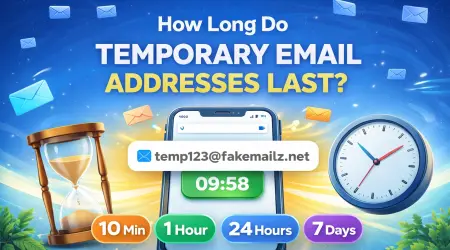
Some websites block known disposable email domains to prevent spam or abuse. Additionally, messages in temporary inboxes may only remain available for a short period before they are automatically deleted.
Because of this, many development teams combine disposable email testing with staging email systems or internal testing tools.
Best Practices for Developers
To use disposable emails effectively during development, consider these best practices:
Test email workflows in staging environments
Verify links, attachments, and formatting in emails
Use different temporary email domains for testing
Monitor how your system handles blocked or restricted domains
These practices help ensure that your application’s email features work reliably when deployed to real users.
Conclusion
Disposable email addresses are a practical and efficient solution for testing email features in modern applications. They allow developers to simulate real user behavior, verify email functionality, and streamline the testing process without relying on permanent email accounts.
By incorporating temporary email tools into your development workflow, you can improve testing efficiency, reduce clutter in real inboxes, and ensure that your website or application handles email communication correctly.