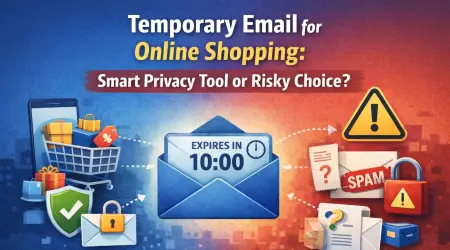
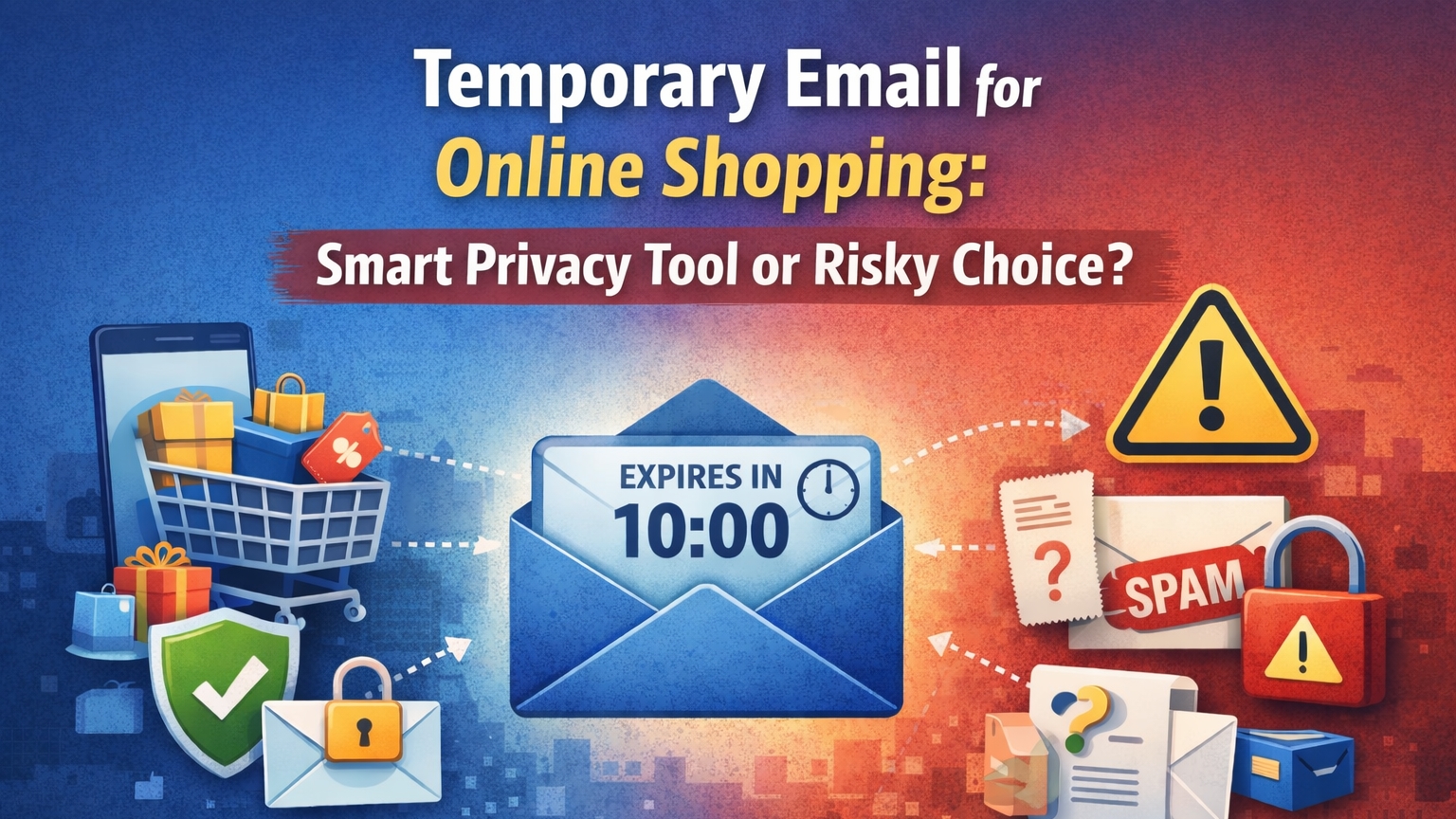
Temporary Email for Online Shopping: Smart Privacy Tool or Risky Choice?
Online shopping has become a daily habit for millions of people. From electronics and clothing to digital services, almost everything can be purchased online. However, one common issue shoppers face is spam emails, marketing messages, and privacy concerns after using their email address on multiple websites.
To avoid these problems, many users turn to temporary email services, also known as disposable email addresses. But is using a temporary email for online shopping actually a smart strategy, or does it come with risks? Let’s take a closer look.
What Is a Temporary Email?
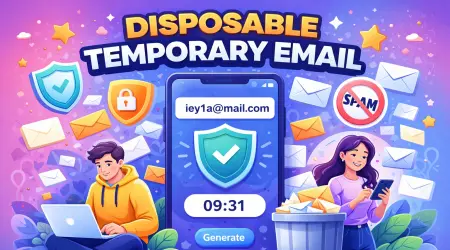
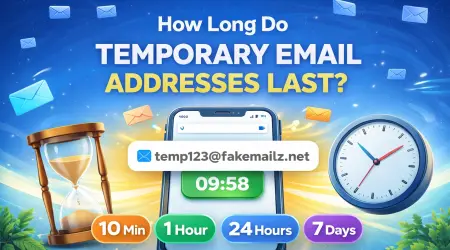
A temporary email address is a short-term inbox that allows users to receive emails without revealing their personal email address. These addresses are usually generated instantly and expire automatically after a certain period.
Temporary emails are commonly used for:
Signing up for websites quickly
Avoiding spam and promotional emails
Protecting personal privacy online
Testing services or applications
Because they do not require registration, temporary email services provide a quick and anonymous way to receive verification messages.
Benefits of Using Temporary Email for Online Shopping
Many shoppers prefer disposable emails when interacting with online stores. Here are some key advantages.
1. Keeps Your Inbox Clean
Retailers often send frequent promotional emails, newsletters, and discount offers. Using a temporary email prevents your personal inbox from being flooded with marketing messages.
2. Protects Your Privacy
Sharing your real email address on multiple shopping websites can expose you to data breaches or unwanted tracking. A disposable email adds an extra layer of privacy.
3. Fast and Convenient Sign-Ups
Some e-commerce platforms require email registration before allowing purchases. Temporary emails make it possible to sign up instantly without long-term commitment.
4. Reduces Data Tracking
Online retailers often use email campaigns to track user activity and purchasing behavior. Disposable emails limit this type of tracking.
Risks of Using Temporary Email for Online Purchases
Despite its advantages, temporary email is not always the best choice when shopping online.
1. Lost Order Confirmations
Order receipts, payment confirmations, and shipping updates are usually sent via email. If your temporary inbox expires, you may lose access to these important messages.
2. Account Recovery Issues
If you create a shopping account with a temporary email, recovering the account later can be impossible once the address expires.
3. Refund and Warranty Complications
Many retailers require proof of purchase or verification through email. Without access to the original inbox, requesting refunds or warranty support may become difficult.
4. Some Stores Block Disposable Emails
Many e-commerce websites actively block known temporary email domains to prevent fraud or spam registrations.
When It Makes Sense to Use Temporary Email
Using a disposable email can be a smart option in certain situations:
One-time purchases from unfamiliar websites
Signing up for coupons or discount codes
Testing online services or free trials
Avoiding marketing newsletters
When You Should Use Your Real Email
For more important purchases, it’s better to use a permanent email address.
Use your real email when:
Buying expensive products
Creating long-term store accounts
Tracking shipments and invoices
Managing warranties or returns
A Smarter Approach
The best solution is a balanced approach. Use a temporary email for quick sign-ups, promotions, or unfamiliar websites, while keeping your real email for trusted retailers and important transactions.
This way, you can protect your privacy while still maintaining access to essential purchase information.