The Rise of Temporary Email Platforms in the Age of Digital Privacy
March 2026 — Temporary email platforms are experiencing a surge in popularity as internet users seek better ways to protect their personal information online. With growing concerns about spam, data tracking, and privacy breaches, disposable email services are becoming an increasingly common tool for safeguarding digital identities.
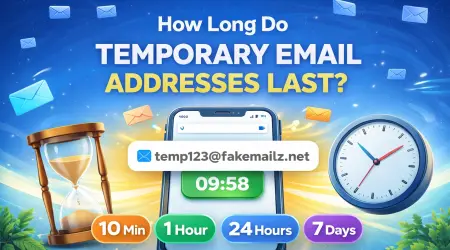
Temporary email platforms allow users to generate short-lived email addresses that can receive messages for a limited period. These addresses typically require no registration and automatically expire after use, making them an attractive option for individuals who want to avoid sharing their primary email accounts.
Growing Concerns About Data Privacy
The rise of temporary email services comes at a time when online privacy has become a global concern. Many websites require email registration to access downloads, free trials, or gated content, often resulting in users receiving unwanted promotional messages or exposing their data to third-party advertisers.
Disposable email platforms offer a simple solution. By using a temporary inbox, users can complete verification steps or access services without revealing their permanent email address.
Cybersecurity analysts say the trend reflects a broader shift in how internet users approach data protection. As awareness of digital tracking and data collection increases, tools that provide anonymity and control over personal information are gaining traction.
Practical Uses Beyond Privacy
While privacy protection is the primary driver behind the popularity of temporary email services, they also serve practical purposes for developers and businesses.
Software testers and developers frequently use disposable email addresses to test account registration systems, email notifications, and verification workflows without creating multiple permanent accounts.
Temporary email platforms are also commonly used for:
One-time downloads
Accessing online forums or trial services
Testing applications and web forms
Reducing spam in personal inboxes
Challenges and Platform Restrictions
Despite their growing use, many websites and online platforms have begun blocking disposable email domains to prevent abuse, fake registrations, and automated spam accounts.
This ongoing tension between privacy tools and platform security policies has led to a cat-and-mouse dynamic, with temporary email providers frequently introducing new domains to maintain accessibility.
A Growing Segment of Privacy Tools
Experts believe temporary email platforms will continue to expand as digital privacy remains a central concern for internet users. Alongside tools like password managers, VPNs, and encrypted messaging services, disposable email providers are becoming part of a broader ecosystem designed to help individuals control their digital footprint.
As online services increasingly rely on email verification, temporary email solutions are likely to remain a widely used method for balancing convenience, privacy, and security in the modern internet landscape.