
How Hackers Exploit Temporary Emails and How to Stay Safe Online
Temporary email services—often called temp mail or disposable email—allow users to create a quick email address that works for a short period of time. These services are widely used to avoid spam, test websites, or register for online services without using a personal email address.
While temporary emails can be convenient, they are also frequently abused by hackers and cybercriminals. Because these addresses are short-lived and anonymous, they make it easier for attackers to hide their identity and bypass security systems.
In this article, we’ll explore how hackers exploit temporary emails and what you can do to stay safe online.
What Is a Temporary Email?
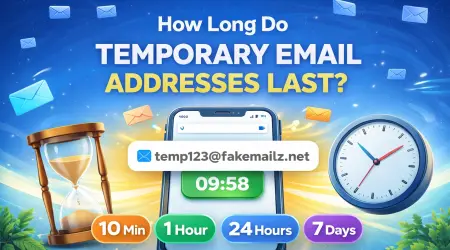
A temporary email is a disposable email address that automatically expires after a short time, usually within minutes or hours. Users can receive emails instantly without registering for a permanent account.
These services are often used for:
Signing up for websites without revealing a personal email
Avoiding spam or marketing newsletters
Testing applications or online services
Downloading files that require email verification
However, the same features that make temporary emails convenient also make them attractive to hackers.
How Hackers Exploit Temporary Emails
1. Creating Large Numbers of Fake Accounts
Hackers commonly use disposable emails to create multiple accounts on websites. By generating hundreds of temporary email addresses, attackers can bypass registration limits and create fake users.
These accounts are often used for spamming forums, manipulating online polls, or spreading misinformation on social media platforms.
2. Sending Phishing Emails
Temporary emails are frequently used to send phishing messages. Cybercriminals can quickly generate disposable email addresses to send fraudulent emails that appear to come from trusted companies.
These emails may include:
Fake banking alerts
Account verification requests
Password reset notifications
Once the attack is complete, the temporary email address disappears, making it harder to trace the sender.
3. Bypassing Email Verification Systems
Many websites require users to verify their accounts through email confirmation. Hackers exploit temporary email services to bypass this system by generating disposable addresses for automated bots.
This technique allows attackers to create large numbers of accounts used for spam, fake reviews, or fraudulent activity.
4. Staying Anonymous During Cybercrime
Disposable email services help hackers remain anonymous online. Because the email addresses are temporary and require no personal information, they can be used to hide identity during malicious activities.
Cybercriminals may use temporary emails for:
Distributing malware
Creating fraudulent online marketplace accounts
Conducting online scams
5. Avoiding Detection After Attacks
Temporary emails are often used only once and then abandoned. This makes it extremely difficult for investigators or website administrators to trace the attacker after the activity has occurred.
Risks of Using Temporary Email Services
While temporary emails can be useful, they also come with several risks.
Many disposable email services use public inboxes, meaning anyone who knows the email address can potentially view incoming messages. This could expose verification links, login credentials, or sensitive information.
Additionally, some temp mail websites may contain malicious advertisements or suspicious links that could lead to security threats.
How to Stay Safe Online
Avoid Using Temporary Emails for Important Accounts
Temporary emails should never be used for important accounts such as banking services, work platforms, or social media profiles. Always use a trusted email provider for critical accounts.
Enable Two-Factor Authentication
Two-factor authentication (2FA) adds an extra layer of protection by requiring an additional verification step when logging in.
Use Strong and Unique Passwords
Always create unique passwords for each account and consider using a password manager to store them securely.
Be Careful With Suspicious Emails
Never click links or download attachments from unknown senders. Always verify the legitimacy of an email before taking any action.
Website Owners Should Block Disposable Email Domains
If you manage a website, consider blocking known temporary email domains and implementing CAPTCHA or additional verification steps to reduce abuse.
Final Thoughts
Temporary email services can be useful tools for protecting privacy and avoiding spam. However, they can also be exploited by hackers to create fake accounts, launch phishing attacks, and hide malicious activities.
Understanding the risks associated with disposable emails and following basic cybersecurity practices can help keep your personal data and online accounts safe.