
How to stay anonymous on the Internet and why you need it?
For many people, achieving complete anonymity online is difficult, but implementing a layered approach of privacy-focused tools and habits can make it harder for third parties to track your identity and online activity. Anonymity is important for protecting your digital footprint from data brokers, safeguarding against identity theft, and enabling free speech without fear of retaliation.
How to maximize your anonymity online
No single tool guarantees 100% online anonymity. Instead, it requires a combination of privacy tools and practices.
Browsing and internet connection
- Use a VPN. A Virtual Private Network (VPN) encrypts your internet traffic and hides your IP address by routing your connection through a secure server. When choosing a VPN, opt for a paid service with a strict "no-logs" policy to prevent the provider from recording your activity.
- Use the Tor browser. Tor (The Onion Router) routes your traffic through multiple relay servers run by volunteers worldwide, making it significantly more difficult to trace. However, this can result in much slower browsing speeds.
- Combine Tor and a VPN. For maximum anonymity, use a VPN to hide the fact that you are using Tor from your internet service provider (ISP), and then use the Tor browser for your web activity.
- Avoid public Wi-Fi. Public Wi-Fi networks are often unsecured and can be exploited by hackers to intercept your data. If you must use public Wi-Fi, a VPN is essential.
- Use privacy-focused browsers. Web browsers like Brave and Firefox offer enhanced tracking protection by blocking third-party cookies, ads, and trackers by default.
- Install privacy extensions. Browser add-ons like Privacy Badger and uBlock Origin block tracking cookies and prevent ads from monitoring your browsing.
Data and accounts
- Use a private search engine. Search engines like DuckDuckGo do not track your search history or personal information, unlike Google.
- Employ encrypted communications. Use messaging apps like Signal and secure email services like Disposable Temporary Email, which feature end-to-end encryption to secure your communications.
- Limit social media use. Social media platforms are major data collectors. For high-level anonymity, you may need to minimize or cease using them entirely. When you do use them, adjust privacy settings, and avoid posting personal information.
- Use a password manager. Create strong, unique passwords for every online account. A password manager can securely store these complex passwords and help prevent a single data breach from compromising all your accounts.
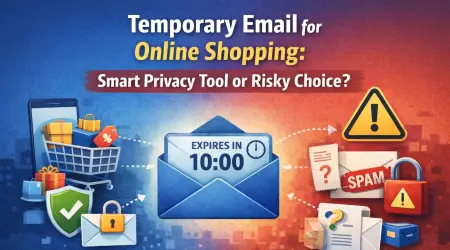
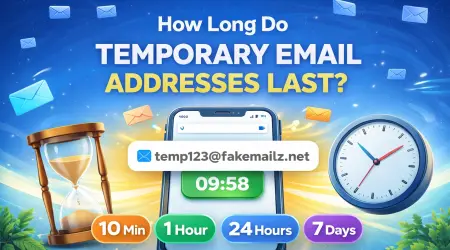
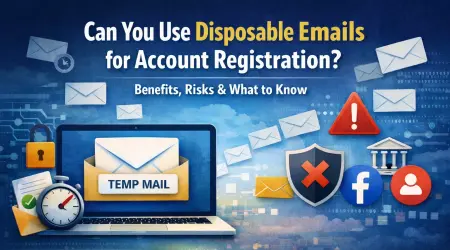
- Use "burner" email addresses. For online sign-ups that you don't need to link to your identity, use a temporary or disposable email service.
- Securely delete files. Simply deleting a file does not fully erase it from your hard drive. File-shredding applications can permanently overwrite sensitive data.
- Consider anonymous cryptocurrency. While Bitcoin transactions can be traced, privacy-focused cryptocurrencies like Monero, Dash, and ZCash are designed for anonymous payments.
The importance of online anonymity
For most internet users, the goal is often privacy, which is the ability to control who can see your personal information. Anonymity takes this further, allowing you to conceal your identity entirely. The reasons for seeking online anonymity include:
- Privacy and data protection: Companies often collect and sell your personal data for targeted advertising, and without proper precautions, this data can be stolen in breaches or used by cybercriminals for phishing attacks and identity theft.
- Freedom of speech: Anonymity allows individuals to express their beliefs and criticize those in power without fear of retaliation, which is crucial for political discourse and protecting activists and whistleblowers.
- Safety for vulnerable people: It provides protection for individuals escaping harassment or domestic violence and allows people to explore their identity freely without fear of judgment.
- Whistleblower protection: Journalists and whistleblowers can use anonymity to expose corruption or wrongdoing by corporations or governments without risking their lives or careers.
- Accountability for organizations: It allows citizens to provide anonymous tips to news organizations or law enforcement about improper practices within an organization without fear of reprisal.