
The Pros and Cons of Disposable Email Services: Privacy, Spam Protection, and Risks Explained
Disposable email services, also known as temporary email or throwaway email, provide users with short-term email addresses that automatically expire after a period of time. These services are widely used for signing up on websites, testing applications, and preventing unwanted spam in personal inboxes.
As concerns about online privacy and data tracking continue to grow, many internet users are turning to disposable email services as a simple solution. However, while these services offer several benefits, they also come with potential drawbacks that users should understand.
Advantages of Disposable Email Services
1. Better Privacy Protection
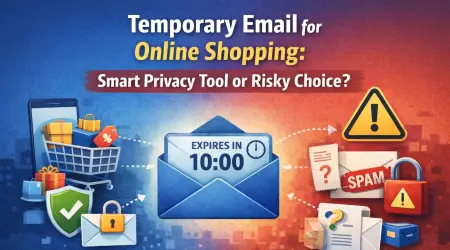
One of the biggest benefits of disposable email services is improved privacy. Instead of sharing your primary email address with every website, you can use a temporary address to protect your personal information.
This reduces the chances of your real email being stored, shared, or sold to marketing companies.
2. Effective Spam Prevention
Temporary email services help prevent spam emails from filling your primary inbox. Many websites send promotional emails or newsletters after you sign up, which can quickly become overwhelming.
Using a disposable email address keeps your main inbox clean and organized.
3. Quick and Easy Access
Most disposable email platforms do not require registration or personal information. Users can generate a temporary email address instantly and start receiving messages right away.
This convenience makes them ideal for quick registrations or one-time verifications.
4. Useful for Developers and Testing
Developers and testers frequently use temporary email addresses when testing signup systems, email verification processes, or automated notifications.
Disposable emails allow them to simulate multiple users without creating numerous permanent accounts.
5. Reduced Data Tracking
Using a temporary email address can limit how much data companies collect about you online. It adds an additional layer of anonymity when interacting with websites or services.
Disadvantages of Disposable Email Services
1. Short Lifespan
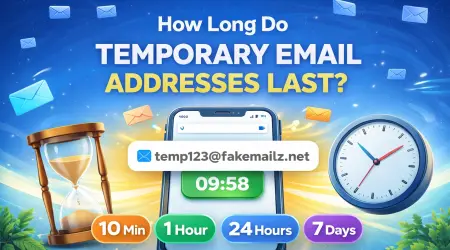
The most obvious drawback of disposable email services is their temporary nature. Most addresses expire within minutes or hours, meaning you may lose access to emails after a short period.
This can create problems if you need to recover accounts or access important messages later.
2. Blocked by Many Websites
Many online platforms actively block disposable email domains to prevent abuse, fake registrations, and spam accounts.
As a result, users may find that some websites do not allow signup using temporary email services.
3. Security Concerns
Some disposable email inboxes are publicly accessible, meaning anyone with the same address could potentially view incoming messages.
Because of this, temporary email should never be used for sensitive information such as banking, personal accounts, or confidential communication.
4. Difficult Account Recovery
If you register an account using a disposable email address and later forget your password, you may not be able to recover the account once the email expires.
This makes temporary email unsuitable for long-term services.
5. Limited Features
Disposable email platforms typically offer very basic functionality. They rarely include features like long-term storage, advanced filtering, contact lists, or reliable email management tools.
When Should You Use Disposable Email?
Disposable email services are best used in situations such as:
Signing up for unfamiliar websites
Downloading free resources or trials
Avoiding marketing newsletters and spam
Testing website registration systems
However, they should not be used for important accounts such as banking services, business emails, or long-term subscriptions.
Final Thoughts
Disposable email services provide a practical solution for protecting online privacy and reducing unwanted spam. They are fast, convenient, and useful for temporary interactions on the internet. However, their limited lifespan and potential security risks mean they should be used carefully.
By understanding the pros and cons, users can take advantage of disposable email services while avoiding the common pitfalls associated with temporary email addresses.