Why You Should Use a Temporary Email Address for Online Signups (Protect Privacy & Stop Spam)
Every time you register for a website, download a free resource, or start a free trial, you’re usually asked for one thing: your email address. While it may seem harmless, using your primary email for every signup can quickly lead to spam overload, privacy concerns, and even security risks.
That’s why more internet users are turning to temporary email addresses—also known as disposable email services.
What Is a Temporary Email Address?
A temporary email address is a short-term, disposable inbox that allows you to receive emails without revealing your personal or business email. Services like Temp-Mail and Guerrilla Mail generate instant email addresses without requiring registration or personal information.
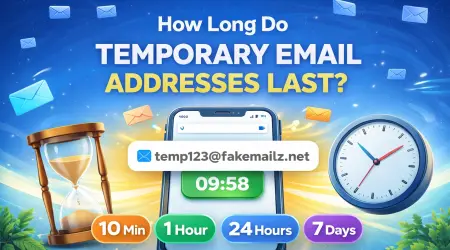
These emails typically expire after a set period, making them ideal for one-time use.
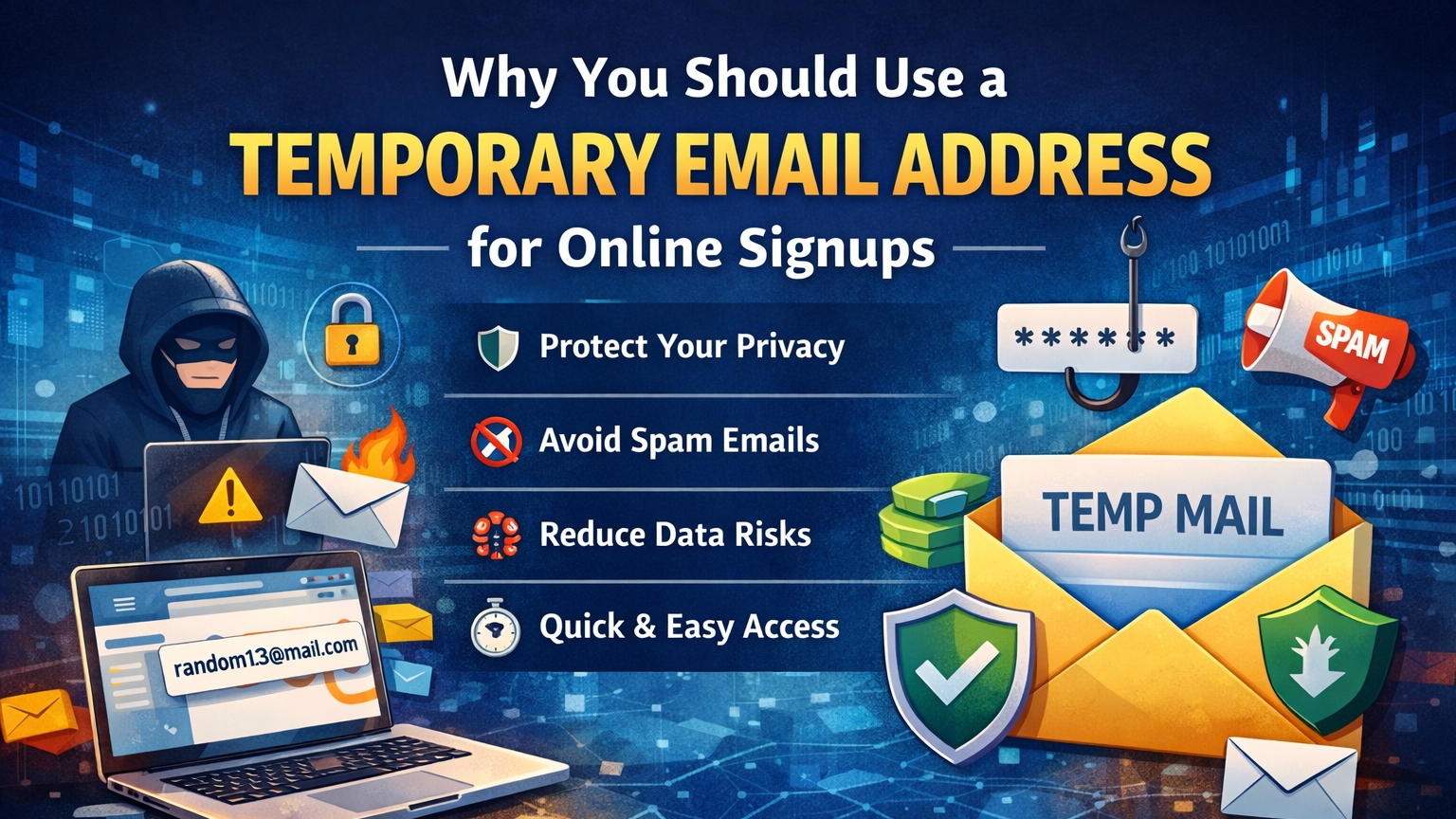
1. Protect Your Privacy Online
Many websites collect email addresses for marketing campaigns, data tracking, and third-party sharing. By using a temporary email, you keep your real inbox private and reduce the chances of your personal information being misused.
This is especially important when signing up for unfamiliar websites or platforms you don’t fully trust.
2. Stop Spam Before It Starts
We’ve all experienced it—sign up for one free trial, and suddenly your inbox is flooded with promotional emails.
Using a disposable email address for:
Free trials
Software downloads
Online contests
Coupon codes
Forum registrations
keeps your main inbox clean and organized. No more endless “unsubscribe” clicks.
3. Lower Your Risk in Data Breaches
Data breaches are becoming increasingly common. When a company’s database is compromised, exposed email addresses are often targeted for phishing attacks or password reset attempts.
If you used a temporary email for that account, your primary email remains safe. This adds an extra layer of protection to your digital security strategy.
4. Fast and Hassle-Free Signups
Temporary email services require no account creation, no passwords, and no setup time. You simply generate an address, use it to register, and receive your confirmation email instantly.
For tech enthusiasts, software reviewers, and digital testers, this can significantly speed up workflows—especially when evaluating multiple tools or platforms.
5. Perfect for Testing and Short-Term Access
If you frequently test websites, apps, or SaaS platforms, temporary emails are extremely useful. They allow you to:
Test email verification systems
Access gated content
Try new software safely
Explore platforms without long-term commitment
For bloggers and tech-focused creators, this method keeps experimentation efficient and secure.
When You Should NOT Use a Temporary Email
Temporary emails are great for short-term needs, but they’re not suitable for:
Banking or financial accounts
Long-term subscriptions
Business communications
Important client or customer accounts
Since these addresses expire, you could permanently lose access to your account.
Final Thoughts
Using a temporary email address for online signups is a simple yet powerful way to protect your privacy, avoid spam, and reduce security risks. Whether you’re signing up for a free download or testing a new service, disposable email tools give you more control over your digital footprint.
If you regularly explore new websites or review software, adding temporary email services to your workflow can help keep your inbox clean—and your online presence secure.